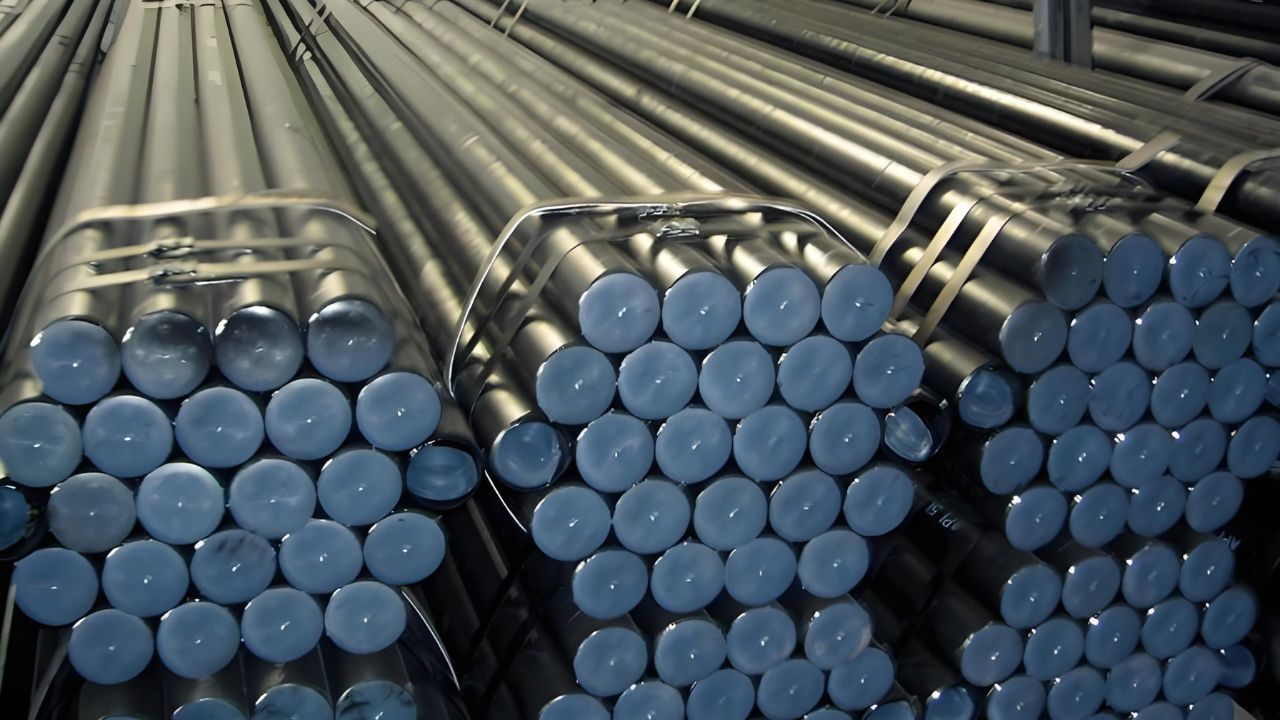
What Does Nominal Length Mean and How Does It Affect Project Cost
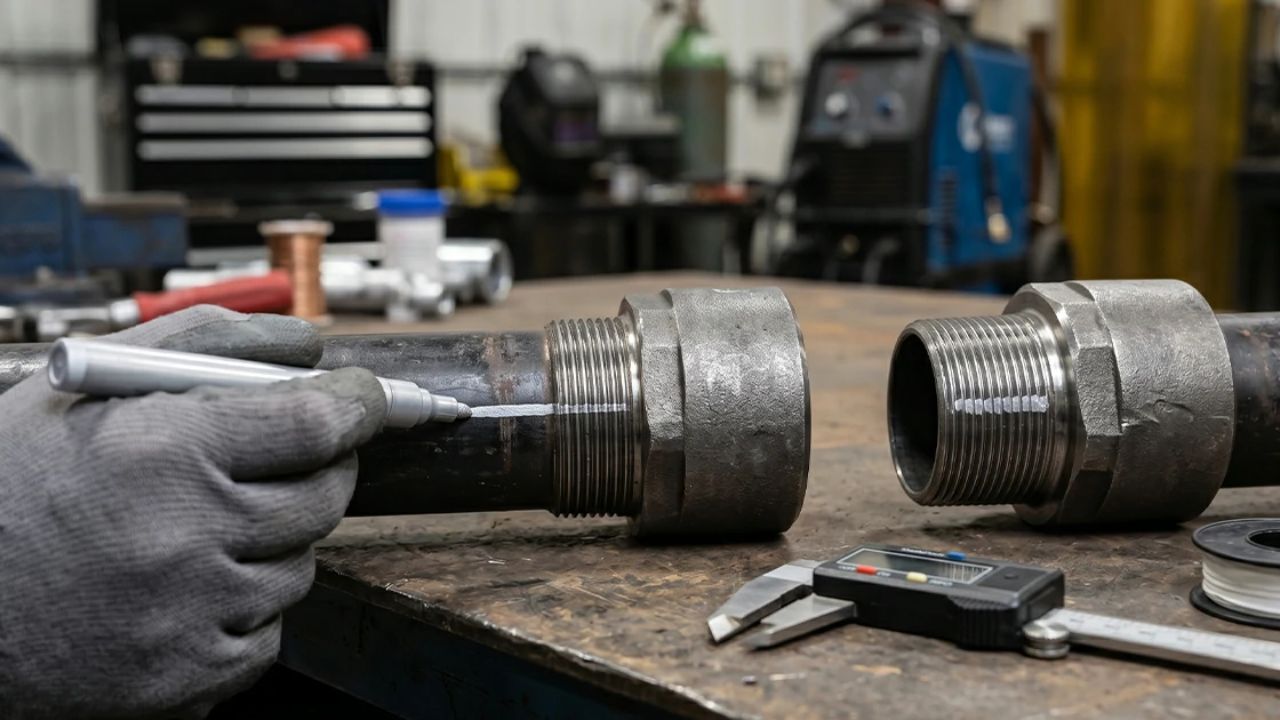
In steel pipework and similar industrial projects, length is not always as exact as it sounds on paper. Buyers often assume that a pipe ordered as a “6-meter pipe” will arrive exactly at 6,000 mm. In practice, the value used for ordering is a reference figure, not a strict final measurement. This is where nominal length comes in. Even with some differences in production, nominal length can serve as a common reference standard for communication between manufacturers and buyers. Although the differences may appear small, they can affect cost, planning, and sitework. This system is used by suppliers like PandaPipe with many pipe grades and in a variety of projects where exact matching may not be possible due to production constraints. This article clearly explains what does nominal length mean, and how a few choices can affect project cost.
What Nominal Length Means
Nominal length is the stated length used for ordering and cataloging a product. It is a reference value rather than a guaranteed exact measurement. For example, a pipe listed as 6 meters may arrive slightly below or above that figure, depending on permitted tolerance. The key point is that it still meets the agreed standard range.
Why the Term “Nominal” Is Used
The word “nominal” indicates that the number is for reference only. It keeps communication simple between mills, contractors, and engineers. Without it, every order would require exact cutting, which is not practical in large-scale production.
Nominal Length vs Actual Length
Actual length is the measured size of the finished pipe after production. Nominal length is the target value used during ordering. The gap between them comes from production limits and finishing work such as cutting, straightening, or coating.
Why Small Variation Happens in Production
Even controlled production lines cannot hold every pipe at exactly the same value. Cutting tools, heat changes, and finishing steps all introduce small shifts. These changes are accepted within standard limits used in steel manufacturing.
How Length Affects Project Planning
On-site, pipe length affects how pieces fit together. A small difference can change welding positions or require minor trimming. While these adjustments are normal, they still add time during assembly, especially in large systems.
Where Cost Starts to Change
Cost is not only linked to weight or material grade. Length requirements also play a role. When tighter control is needed, production takes more time and care. This can raise the overall price compared to the standard supply.
Waste from Cutting and Adjustment
If pipes do not closely match the required lengths, extra on-site cutting may be needed. This creates leftover material that may not be usable. Over many pipes, this small waste becomes a real cost factor in large projects.
Transport and Loading Effects
Pipe length also affects how much can fit into trucks or containers. Slight variations change loading patterns. In some cases, this leads to more transport trips or less efficient use of space, thereby increasing logistics costs.
Fixed Length vs Random Length Supply
Fixed-length pipes are cut to a tighter target size. Random-length pipes fall within a wider range. Fixed-length supply usually requires extra processing steps, which increase production cost. Random-length supply is more flexible and often more economical for bulk projects.
Role of Suppliers in Length Control
Suppliers balance production limits with project needs. PandaPipe supplies pipes across different standards, with nominal length as the baseline. In many cases, coordination between buyer requirements and factory capability decides how tight the final length range can be.
How Buyers Can Reduce Cost Issues
When projects require tighter control, costs tend to rise due to additional cutting, inspection, and handling. In large industrial work, this trade-off between flexibility and precision is part of normal planning decisions. PandaPipe also handles such requirements based on project needs, balancing length tolerance and procurement costs. Clear ordering terms help avoid extra costs later. Buyers should specify whether standard tolerance is acceptable or if tighter control is needed. Early agreement on the length type reduces on-site adjustment work and limits unnecessary waste.
Conclusion
Nominal length is a reference value used in steel pipe ordering and production. It is not the exact final measurement, but a controlled target within a permitted range. This difference affects planning, transport, and installation work, which then links back to project cost. Understanding this helps avoid mismatched expectations between design and delivery. In practice, most systems are built with this variation in mind. PandaPipe operates within these standard practices, supplying pipes in which the nominal length guides production, while the actual length remains within the allowed limits.